The Future of Global Luxury Real Estate: Trends Shaping 2026 and Beyond
Article
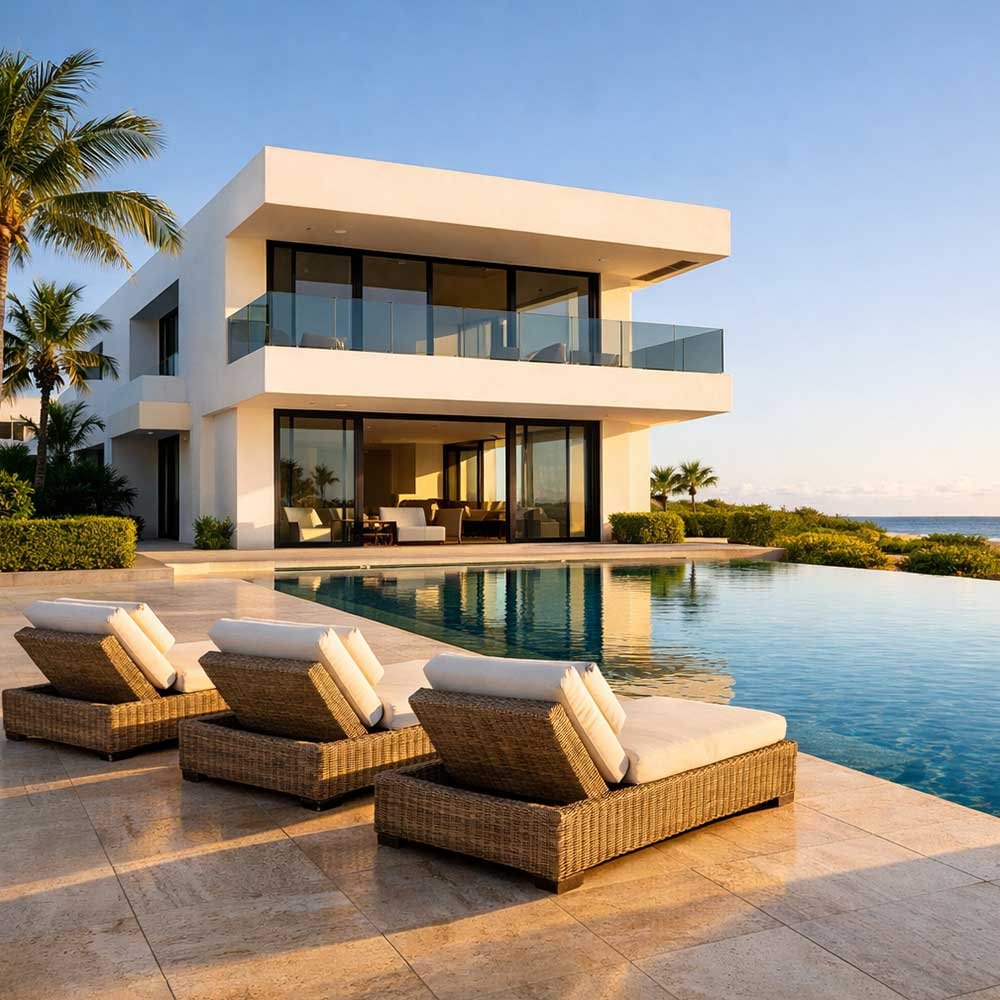
The global luxury real estate market is experiencing a profound transformation. As we progress through 2026, the dynamics that traditionally defined prestige real estate—towering city penthouses and established metropolitan strongholds—are being challenged by an emerging wave of secondary luxury markets and lifestyle-driven investment patterns. The shift reflects deeper changes in how the world’s ultra-high-net-worth individuals (UHNWIs) conceptualize property ownership, privacy, and long-term value.
The Secondary Market Renaissance
One of the most striking trends of 2026 is the explosive growth in secondary luxury markets across the Caribbean, Mediterranean, and Southeast Asia. Destinations like Sint Maarten, Anguilla, Barbados, and the lesser-known Greek islands are capturing significant capital flows that would have exclusively targeted London, New York, or Paris a decade ago.
This migration isn’t driven by desperation or speculation. Rather, it reflects a fundamental reorientation of buyer priorities. The Caribbean archipelago, for instance, offers privacy, year-round climate stability, and increasingly sophisticated infrastructure—all at valuations that preserve substantial capital for diversification. Sint Maarten, with its unique dual-jurisdiction appeal and Caribbean allure, has become particularly attractive to European and North American buyers seeking holiday residences that double as long-term asset appreciation vehicles.
Mediterranean properties in Portugal, Croatia, and Southern Spain are similarly benefiting. The Portuguese Golden Visa program and the appreciation of these markets as lifestyle destinations have drawn a new caliber of buyer—not the traditional European aristocracy, but globally-mobile entrepreneurs and founders seeking sun-soaked months away from their primary bases.
Remote Work Reshaping Property Demand
The normalization of remote work for high-level professionals and entrepreneurs has created an entirely new property category: the private executive estate. These aren’t merely houses; they are integrated business environments. Clients now expect luxury homes to feature dedicated office suites, high-speed fiber connectivity, secure meeting facilities, and the flexibility to host board-level gatherings or business retreats without proximity to traditional financial centers.
This trend has especially benefited boutique island and countryside destinations. A UHNWI based in London or New York can now maintain a primary residence in their business hub while acquiring a sophisticated property on an island or in a European countryside setting, conducting 70% of their work from the secondary location.
Sustainability as a Luxury Imperative
Luxury architecture in 2026 is increasingly defined by sustainability credentials. This represents a significant departure from the purely aesthetic luxury paradigm of previous decades. Today’s high-end buyers—particularly generational wealth holders and impact-focused entrepreneurs—view sustainable design as both a moral imperative and a prudent investment.
Passive house design principles, once considered incompatible with luxury aesthetics, are now integrated into some of the world’s most prestigious properties. Solar-integrated architecture, rainwater harvesting systems, and geothermal heating are becoming standard specifications in ultra-luxury developments. LEED and BREEAM certifications, previously dismissed in luxury markets, are increasingly expected.
Island and Caribbean properties face particular sustainability imperatives, given climate volatility and environmental sensitivity. Architects working in these regions are pioneering approaches that merge luxury with resilience—designs that withstand hurricane forces while maintaining sophisticated aesthetics and material quality.
Technology Integration Without Dominance
Smart home technology has matured significantly by 2026. The trend is no longer about technological maximalism—homes bristling with unnecessary gadgetry—but rather about seamless, almost invisible integration. The ideal modern luxury property features sophisticated home automation that enhances rather than dominates the living experience.
Buyers now expect climate control, lighting, security, and entertainment systems that respond intuitively to behavioral patterns without requiring constant human input or interaction with visible interfaces. The technology is there, but it’s elegantly concealed within architectural and interior design language.
Private Islands and Boutique Destinations Gaining Traction
Perhaps most revealing is the resurgence of interest in private island and ultra-boutique destination properties. While city penthouses in traditional markets face headwinds—from pricing pressures to limited privacy and increasing scrutiny of ultra-wealthy urban residents—private island compounds and exclusive villa communities in lesser-known destinations are experiencing unprecedented demand.
The appeal is multifaceted: genuine privacy (a premium that’s proven surprisingly scarce in major metropolitan centers), ability to curate one’s environment completely, and the lifestyle benefits of seasons divided between global destinations. A three-property portfolio—a London townhouse for business, a Caribbean private island compound for family and privacy, and a Mediterranean villa for European society—represents the new paradigm for global ultra-wealthy families.
At Artsen Realty, we’re witnessing firsthand how these trends reshape client expectations and market dynamics. Our expertise spans exactly these markets—the emerging secondary destinations that are redefining global luxury. Understanding these shifts allows us to guide clients through this transformation with confidence and strategic foresight.
Artsen Realty Editorial Team
Our team of global real estate experts brings decades of combined experience across luxury markets worldwide. We provide strategic insight into market trends, investment opportunities, and emerging destinations that shape the future of high-net-worth property ownership.

 Kihan Marketing