Design Elements Defining Modern Luxury Homes in 2026
Article
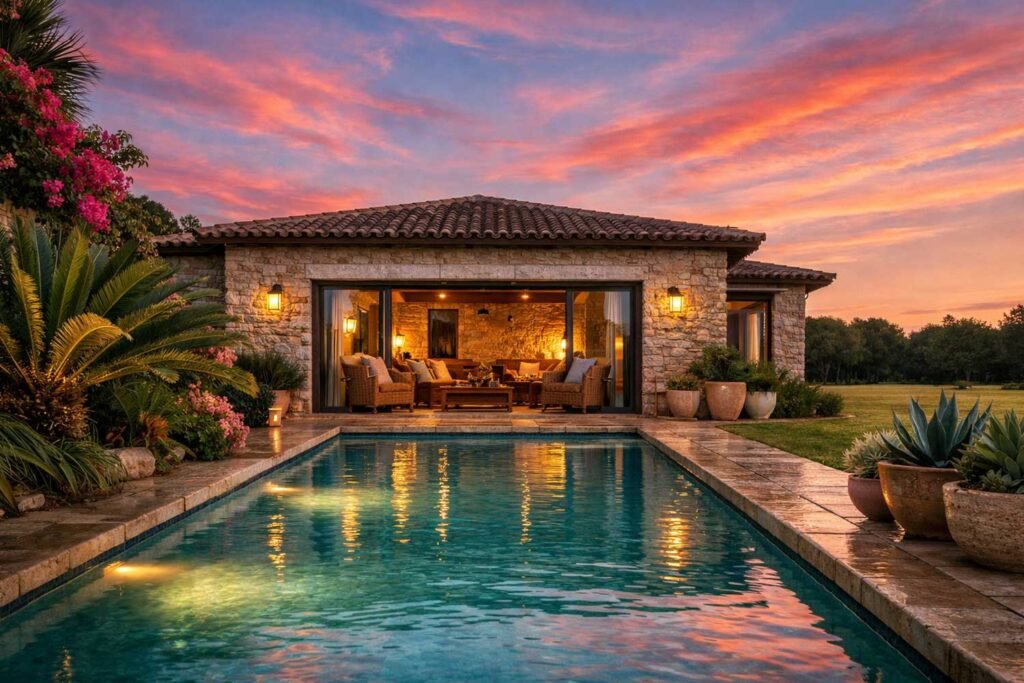
The language of luxury has fundamentally shifted. Where previous generations of high-net-worth individuals sought ostentatious displays of wealth—marble columns, crystal chandeliers, visible expense—contemporary luxury is defined by restraint, authenticity, and experience. Modern luxury design emphasizes connection to nature, wellness, craftsmanship, and the subtle integration of technology. These aren’t merely aesthetic preferences; they reflect deeper changes in how the ultra-wealthy conceptualize their living environments and what they value in their personal spaces.
Biophilic Design: Nature at the Center
Biophilic design—the integration of natural elements, patterns, and views into architectural and interior spaces—has moved from architectural theory into mainstream luxury practice. Modern luxury homes don’t merely have views of nature; they are designed to bring nature indoors through carefully considered spatial relationships, material choices, and light distribution.
This manifests in multiple ways. Living walls and interior gardens are no longer novelty features but expected elements in sophisticated properties. Skylights and floor-to-ceiling windows frame views of landscapes, gardens, or seascapes as design centerpieces rather than incidental features. Natural ventilation through operable windows is prioritized even when mechanical climate control is available, creating opportunities for residents to experience seasonal transitions and weather patterns within their homes.
For Caribbean properties specifically, biophilic design leverages the region’s extraordinary natural advantages. A luxury villa in Sint Maarten doesn’t compete with the landscape; it frames and celebrates it. Design principles emphasize transparent boundaries between interior living spaces and gardens, patios, or ocean views, making nature the dominant visual element even when viewing the interior.
Seamless Indoor-Outdoor Living
The architectural boundary between interior and exterior has become increasingly permeable in luxury design. Modern luxury homes feature expansive sliding glass systems that fully retract, creating unified interior-exterior spaces. Patios, terraces, and gardens are furnished and finished to the same standard as interior rooms, often with weather-resistant materials that replicate the appearance and feel of interior furnishings.
This design philosophy has profound implications. A Caribbean luxury property might feature 3,000 square feet of interior living space but 5,000 square feet of usable outdoor space—patios, gardens, pool decks—all seamlessly integrated into the property’s functional living area. Pool design has similarly evolved; rather than discrete swimming pools, modern luxury properties feature multi-functional water features that serve as visual elements, recreation spaces, and cooling systems, often incorporating infinity edges that blur the boundary between pool and landscape.
Wellness Spaces: The Spa Within
Dedicated wellness spaces have become standard in ultra-luxury properties. Rather than a single spa bathroom, contemporary luxury homes feature entire spa suites with multiple components: infrared sauna rooms, meditation gardens with water features and carefully curated plantings, treatment rooms with specialized lighting and sound design, and cold plunge pools or contrast shower systems.
Yoga and movement studios are now expected features in properties over 5,000 square feet. These aren’t casual fitness spaces but thoughtfully designed rooms with specialized flooring (typically sustainably-sourced wood or cork), full-length mirrors, natural light from carefully positioned windows, and acoustic design that dampens external noise while creating an enveloping sense of calm.
The psychological and physiological benefits of these spaces justify their cost. Research increasingly validates what intuition suggests: dedicated wellness environments support health and longevity. For ultra-high-net-worth individuals, the value of having a private sauna, meditation garden, and treatment space within their own home—avoiding hotel spas or health clubs with their compromises and exposure—represents genuine luxury.
Natural Materials and Bespoke Craftsmanship
Material selection in modern luxury emphasizes authenticity and craftsmanship over obvious expense. Polished marble, once the ultimate status symbol, has been largely displaced by more subtle natural materials: aged travertine, locally-sourced limestone, reclaimed stone, and raw concrete thoughtfully finished.
Wood is experiencing renewed appreciation, but in carefully curated forms. Rather than rare tropical hardwoods, contemporary luxury favors sustainably-sourced materials with character: aged oak, white oak with visible grain, locally-sourced timber that connects the home to its geography. Brushed metals—brushed stainless steel, matte bronze, aged brass—have largely replaced polished chrome and shiny finishes.
Bespoke craftsmanship is a defining feature. Commissioned built-in shelving, custom millwork, hand-finished cabinetry, and artist-designed lighting fixtures signal that a property was thoughtfully designed rather than assembled from catalog options. A single hand-crafted door frame or custom-designed staircase conveys more about a home’s quality than wholesale expense.
For Caribbean properties, this translates into leveraging local materials and artisans. Local limestone or coral stone, reclaimed wood from historic structures, and partnerships with regional craftspeople create authenticity and connect the home to its cultural context—far more sophisticated than importing materials from Europe or Asia.
Smart Home Integration That Enhances Rather Than Dominates
Technology integration in luxury homes has matured considerably. The early 2020s paradigm—homes bristling with visible technology, extensive touch panels, obvious automation—has given way to subtler, more sophisticated approaches. The goal is seamless integration: technology present and functional, but essentially invisible.
Modern luxury homes feature climate control that anticipates occupancy patterns and adjusts automatically, lighting that adjusts to circadian rhythms and time of day, security systems that provide comprehensive protection without visible cameras or intrusive infrastructure. Voice control exists but is subordinate to intuitive automation; residents shouldn’t need to speak commands for basic environmental comfort.
Entertainment systems are fully integrated into interior design rather than dominating spaces. Screens recess into walls or emerge from architectural elements only when needed. Audio systems are distributed throughout the home through invisible speaker systems that deliver exceptional fidelity without visible components.
Ocean-View Architecture: The Caribbean Advantage
Caribbean luxury properties benefit from an extraordinary natural advantage: oceanic vistas. Architectural design in these settings emphasizes framing and celebrating water views. Large windows positioned to capture maximum view, architectural elements that frame specific vista points, and outdoor spaces arranged to leverage views—these are fundamental design priorities.
Design also addresses practical oceanfront challenges: salt spray corrosion, intense sun exposure, and hurricane-force winds. Modern oceanfront architecture uses specialized materials (powder-coated metals, performance fabrics) and design strategies (overhanging eaves for shade, reinforced glazing systems) that protect the home while maintaining visual openness and transparency.
The aesthetic result is homes that feel open and connected to their oceanic context despite the structural robustness required. This represents the pinnacle of luxury design: resolving technical challenges so elegantly that they become invisible to users.
Modern luxury design is fundamentally about supporting and enhancing human experience. Whether through biophilic connection, wellness infrastructure, bespoke craftsmanship, or subtle technology, the most coveted properties are those that feel intuitive, beautiful, and fundamentally supportive of their residents’ wellbeing. These are the homes that justify premium valuations and satisfy the sophisticated expectations of discerning global investors.
Artsen Realty Editorial Team
Our team of global real estate experts brings decades of combined experience across luxury markets worldwide. We provide strategic insight into market trends, investment opportunities, and emerging destinations that shape the future of high-net-worth property ownership.