Dubai's Premium Property Market: A 2026 Outlook
Article
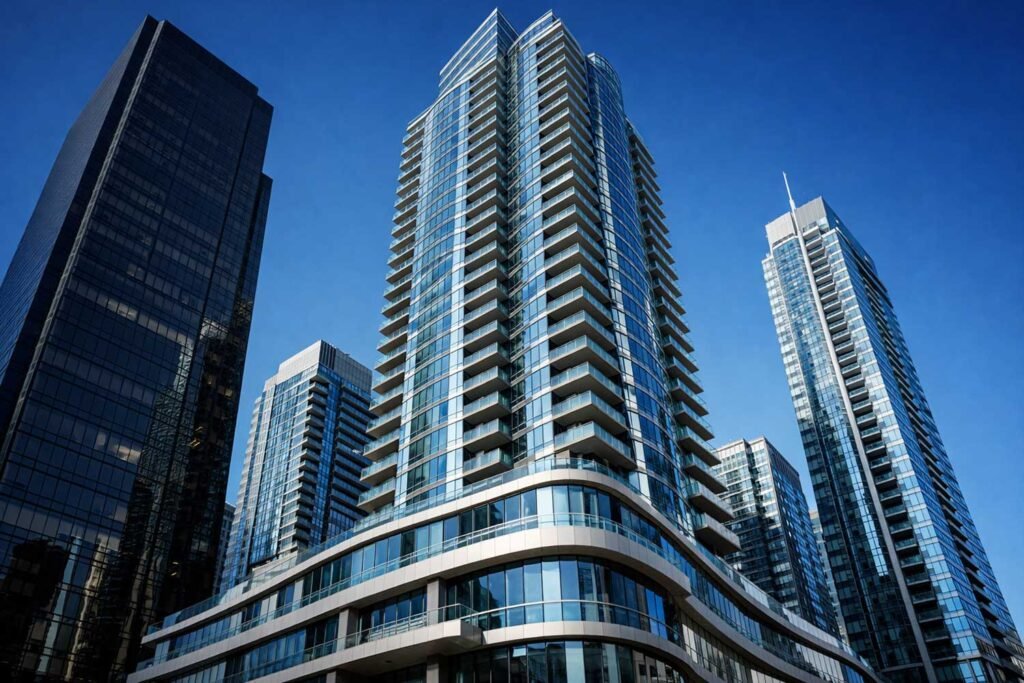
Dubai’s luxury real estate market stands at an inflection point as we move into 2026. Once dismissed as speculative and volatile, the emirate’s premium property sector has matured into one of the world’s most sophisticated ultra-luxury markets. The trajectory tells a compelling story: from boom-bust cycles of the 2000s to a market now attracting multi-generational family offices, sovereign wealth funds, and the world’s most discerning property investors. Understanding Dubai’s market in 2026 requires separating the rhetoric from reality and recognizing the genuine structural advantages that sustain this remarkable market.
Continued Structural Growth and Market Stabilization
Dubai’s luxury real estate market entered 2026 on a foundation of genuine strength. Unlike the speculative euphoria of previous decades, current market dynamics reflect fundamental economic and demographic tailwinds. The emirate’s diversified economy—oil revenues now represent less than 5% of GDP, down from over 40% in the 1980s—depends heavily on tourism, finance, trade, and now increasingly on tech and entrepreneurship.
High-net-worth individual migration to Dubai continues accelerating. Wealthy individuals from European and North American markets increasingly establish Dubai residency, attracted by political stability, business-friendly governance, sophisticated infrastructure, and tax efficiency. The relaxation of residency requirements (permanent residency now available for qualifying investors and professionals) has further incentivized high-wealth migration. A European executive establishing Dubai residency can maintain her family home in London for business purposes while establishing a primary residence in Dubai for personal and family life—a portfolio structure gaining increasing traction.
Immigration patterns support luxury real estate demand in unexpected ways. Wealthy families migrating to Dubai typically acquire properties exceeding their immediate housing needs, purchasing multiple residences for different seasons or generations. This pattern significantly supports the premium segment.
Palm Jumeirah and Downtown: The Flagship Markets
Palm Jumeirah remains emblematic of Dubai’s luxury real estate appeal and pricing sophistication. The artificial archipelago, initially dismissed as unsustainable, has proven remarkably resilient and exclusive. Properties on Palm Jumeirah now command premium valuations rivaling the most exclusive European coastal markets. A 5-bedroom villa on the Palm’s fronds might trade for AED 15-20 million (USD 4-5.5 million), with exceptional properties reaching significantly higher valuations.
The Palm’s appeal lies in its singular combination of features: absolute waterfront positioning on private beaches, gated community security, direct marina access for yacht owners, and a cosmopolitan resident community that includes billionaires, celebrities, and prominent entrepreneurs. Properties here serve as statement residences—homes that signal arrival and provide uncompromised luxury and privacy.
Downtown Dubai, particularly around the Burj Khalifa and Dubai Mall, represents a contrasting market segment: ultra-prime urban luxury. Penthouses with unobstructed views of the Burj Khalifa command extraordinary valuations. A duplex penthouse on the 140th floor of a downtown tower might trade for AED 30-50 million (USD 8-13.5 million) or more. These aren’t homes as much as architectural trophy assets—the apex of ultra-urban luxury.
Interestingly, market bifurcation is increasing. Ultra-premium segments (Palm Jumeirah villas, downtown penthouses) remain robust, while mid-market properties face more pressure. Buyers at the absolute top of the market remain insensitive to interest rates and economic cycles; buyers in the middle tier are increasingly price-sensitive. This bifurcation creates distinct investment opportunities at extreme ends of the market.
Emergence of New Ultra-Luxury Districts
Several new developments are redefining Dubai’s luxury landscape. Projects like Emaar’s Beachfront, with its carefully curated waterfront properties and strict exclusivity standards, are capturing demand from buyers seeking contemporary ultra-luxury not yet available in the Palm. These developments command premium valuations by emphasizing architectural innovation, environmental sustainability, and contemporary design standards that some established properties lack.
Arabian Ranches 3, positioned in Dubai’s suburban luxury segment, attracts families seeking palatial estates with contemporary architecture and expansive grounds—properties that rival global destinations like Beverly Hills or the South of France but benefit from Dubai’s tax efficiency and lifestyle advantages.
The existence of these emerging alternatives has actually benefited established markets by preventing stagnation. Developers competing for the ultra-wealthy have driven innovation that elevates the entire market.
The HNWI Buyer Profile
Dubai’s luxury market has evolved to serve specific buyer profiles. European HNWIs (particularly Russian, Eastern European, and Western European) remain significant, but the composition is shifting. Asian wealth—from China, India, Singapore—represents a growing segment. North American and Middle Eastern buyers complete the demographic picture, creating remarkable geographic diversity among the buyer base.
The typical ultra-premium Dubai buyer is now a self-made entrepreneur or business owner aged 45-65 with diversified wealth, family office structures, and international residency. This buyer views Dubai properties as strategic components of global diversification strategies, not speculative holdings. Time horizon is 10+ years; motivations often include family legacy, long-term capital preservation, and lifestyle enhancement.
Chinese buyers have demonstrated particular appetite for ultra-luxury Dubai properties, viewing them as currency diversification and geopolitical hedges against Chinese real estate restrictions. Indian business leaders and tech entrepreneurs are increasingly active, attracted by Dubai’s entrepreneurial ecosystem and multicultural environment.
The Golden Visa Impact on Property Demand
The UAE’s Golden Visa program—offering long-term residency to investors acquiring properties of AED 2 million (approximately USD 550,000) or higher—has profoundly influenced market dynamics. While the Golden Visa program technically targets the mid-market (triggering purchases in the AED 2-5 million range), it has created downstream effects throughout the market.
The visibility of Golden Visa opportunities has increased international awareness of UAE property investment. Entrepreneurs and professionals who acquired properties for visa purposes often trade up to ultra-premium segments after establishing residency, creating a pipeline effect that supports the entire market. Additionally, Golden Visa investors who achieve success in Dubai often upgrade to flagship properties on Palm Jumeirah or Downtown.
This visa-driven demand essentially creates a subsidy for the ultra-luxury segment by ensuring robust demand and capital flows at lower price points, which supports general market health.
Rental Yields and Investment Returns
Dubai’s luxury rental market remains sophisticated and international. Premium furnished villas in gated communities typically achieve gross yields of 3-5%, with some trophy properties yielding higher percentages when managed as seasonal rentals or through luxury hospitality platforms. Downtown penthouses can achieve 4-6% gross yields, given the steady stream of international business travelers and tourists.
For ultra-wealthy buyers, yield considerations are secondary to capital preservation and appreciation potential. A UHNWI acquiring a AED 15 million property views a 4% gross yield as secondary to the property’s capital preservation function and lifestyle value. However, yields remain respectable relative to global alternatives, creating genuine investment rationale beyond pure trophy asset ownership.
Currency Dynamics and Foreign Investment
The UAE dirham’s peg to the US dollar creates currency predictability that many investors value. Unlike European properties subject to euro volatility or emerging market currencies with unpredictable devaluation risk, Dubai property in dirhams provides currency stability. European or Asian investors view this as a significant advantage.
Sophisticated investors leverage currency positioning. A European investor acquiring Dubai property can maintain it in a stable currency while potentially benefiting from subtle dollar appreciation. This “currency hedge” function—subtle but real—contributes to Dubai’s appeal as a diversification destination.
Artsen Realty’s Position in Dubai’s Market
Navigating Dubai’s market for international clients requires deep relationships with local partners, understanding of UAE regulations, familiarity with the competitive landscape of ultra-luxury developments, and the ability to guide clients through transactions conducted in Arabic legal frameworks with significant cultural and procedural differences from Western markets.
Our role is to demystify Dubai’s market for European and international clients, translating its genuine opportunities while providing realistic expectations about what Dubai properties deliver and what they don’t. We guide clients away from speculative opportunities toward strategic acquisitions aligned with genuine investment or lifestyle objectives.
Dubai’s luxury market in 2026 presents genuine opportunities for the right buyers, positioned appropriately within sophisticated global portfolios. It’s neither the unquestioned global apex nor a cautionary tale—it’s a mature, complex market deserving serious consideration from discerning global investors.
Artsen Realty Editorial Team
Our team of global real estate experts brings decades of combined experience across luxury markets worldwide. We provide strategic insight into market trends, investment opportunities, and emerging destinations that shape the future of high-net-worth property ownership.